
Review · KAZAKHSTAN
From Shymkent: Turkestan and Otrar Day Tour with Guide
Otrar gives this tour its strongest sense of time travel. You walk among the remains of a major Silk Road center, then move on to the sacred mausoleums of Arystan Bab and Ahmed Yasawi. I like the contrast between open archaeological ruins and ornate religious buildings, and I also like having a private vehicle for a long day across southern Kazakhstan.
The main consideration is the distance. You spend several hours in the van, with about 240 kilometers to the Otrar area and another 160 kilometers back to Shymkent. The day is excellent for history-minded visitors, but it can feel rushed if you want long, quiet visits at every site.
Key points to know before booking
- Otrar puts the Silk Road in physical form: The settlement is now a field of monumental ruins, not a restored medieval town.
- Arystan Bab and Ahmed Yasawi offer different sacred settings: One is a revered spiritual stop near Otrar, while the other is a grand mausoleum in Turkestan.
- Guides can shape the day: Islam and Daulet are specifically praised for professional service, clear explanations, and adapting the route.
- Private transport matters: The tour covers long distances, so door-to-door travel from Shymkent is a real part of the value.
- Turkestan mixes old and new: Historic mausoleums and an underground mosque share the day with a modern tourist complex, fountain show, and optional 8D cinema.
- Dress and footwear matter: Bring comfortable shoes, long pants, a long-sleeved shirt, a hat, and sunscreen.
Why this day from Shymkent is worth considering
Southern Kazakhstan can be hard to understand from a city visit alone. The roads out toward Otrar and Turkestan connect the modern country to its older religious and trading centers. This tour gives you that wider view in one long day, without asking you to arrange several separate transfers.
You leave Shymkent at 9:00 in a private vehicle with a live guide. The listed guide languages are Russian, English, Kazakh, Turkish, French, and Spanish. That range is useful for an international group, though you should confirm your preferred language when booking.
The tour is private, so the pace can be adjusted more easily than on a large coach trip. Daulet has adapted the day for individual interests, including adding time at the Turkestan bazaar. Islam has also helped with lunch advice, with lunch described as optional rather than part of the package. These details matter because a nine-hour schedule leaves little room for confusion or wasted stops.
The price is $160 per person. That is not a budget excursion, especially if you are traveling alone, but it covers private transport, guided sightseeing, entrance fees to the museums, mausoleums, and other listed sights, plus one liter of water per person. For two or more people who value a private vehicle and a guide across a large area, the cost is easier to justify.
More Silk Road and Turkestan trips from Kazakhstan
- Turkestan Gloriously Isolated – Day Tour from Tashkent
★ 4.4 · 35 reviews - Ancient petroglyphs of Tanbaly – UNESCO World Heritage
★ 5.0 · 18 reviews - Tanbaly Gorge: Ancient Petroglyphs UNESCO Site Day Tour
★ 5.0 · 8 reviews
The long road from Shymkent to Otrar
The first drive takes roughly three hours, with the route covering about 240 kilometers to the Otrar district. The precise activity schedule lists a van ride of about two hours and fifteen minutes before the Otrar visit, while the full description gives a three-hour transfer. In practical terms, plan for a substantial morning on the road.
This is not wasted time if you enjoy seeing the scenery change. The route passes through the broad steppe and dry country of southern Kazakhstan. One review specifically noted the views of steppe, desert, camels, and other animals. Bring your camera, but keep your expectations grounded: the appeal here is the open setting and sense of distance, not a string of constant photo stops.
A private vehicle is a major advantage on this route. You can settle in, ask questions, and avoid the uncertainty of public transport connections. The tradeoff is simple: this is a road-heavy day, and you should be comfortable sitting for long stretches.
Arystan Bab, a spiritual stop near Otrar
Before reaching the ruins, you visit the mausoleum of Arystan Bab, also written as Arystan Baba. He is presented as a spiritual teacher connected with the Sufis of Otrar, Sairam, and Turkestan. Your guide provides the context, which is especially useful if you are unfamiliar with the religious figures who shaped the region.
The stop is not only about architecture. It introduces the spiritual network that links Otrar and Turkestan. The later visit to the Ahmed Yasawi mausoleum makes more sense after you have heard about Arystan Bab and his place in local tradition.
The listed timing gives about 30 minutes for one guided stop and about 40 minutes for the Otrar visit, so do not expect a slow, unstructured morning. You will get an introduction, time for photographs, and a focused explanation of why the site matters. If you need extra time for prayer, photography, or mobility, tell the guide early.
Modest clothing is a practical requirement for a day that includes sacred places. Long pants and a long-sleeved shirt are recommended, and a hat and sunscreen will help during outdoor visits. Comfortable shoes are essential once you begin walking around the archaeological site.
Otrar, where the Silk Road became a ruin
Otrar was once a major point on the Great Silk Road. Today, you see large-scale ruins and traces of a settlement rather than an intact medieval city. That can be both the site’s strength and its weakness.
The strength is the setting. You are looking across the remains of a place that once connected merchants, ideas, faiths, and goods moving through Central Asia. The open ruins leave room for your imagination, and a guide helps turn scattered earth and stone into a story about a working city.
The weakness is that Otrar does not offer the visual completeness of a preserved old town. There are no continuous streets lined with restored buildings for you to wander through. Without explanation, the site could feel abstract. That is why the guide matters here more than at a place with obvious decoration.
The tour allows a short visit, so listen closely while the guide explains the settlement and its role. Ask about what you are seeing rather than simply taking photographs. The most useful questions will be about how the city functioned, why its position mattered, and what remains visible today.
The dry surroundings also mean that conditions can be bright and exposed. Water is included, but you should still carry personal supplies if you need more than one liter. Sunscreen, a hat, and sensible shoes are not optional extras on this part of the day.
A few more trips worth a look around Kazakhstan
- Astana City Tour: Explore Night City with a Certified Guide
★ 5.0 · 90 reviews - Almaty: Guided Bar Crawl with Shots
★ 4.2 · 43 reviews - Astana: Back to USSR – Gulag Museum with Certified Guide
★ 4.9 · 32 reviews - Astana: Back to USSR Gulag Museum with Certified Guide
★ 5.0 · 14 reviews
Turkestan and the Ahmed Yasawi mausoleum
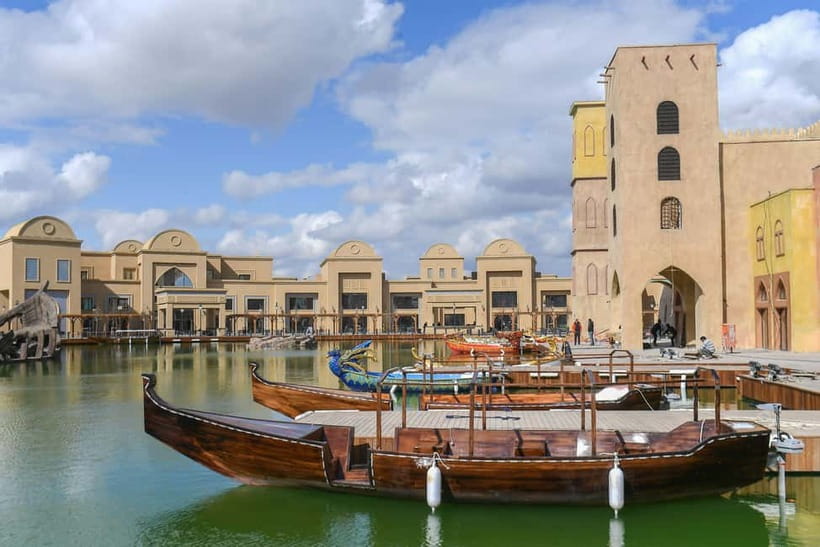
After Otrar, the vehicle continues to Turkestan. The main historic stop is the mausoleum of Khoja Ahmed Yasawi, one of the most important religious monuments in Kazakhstan. The scheduled visit lasts about an hour and a half, including guided sightseeing and photo time.
This is the architectural counterpoint to Otrar. Instead of low ruins spread across open ground, you get a major mausoleum with a stronger sense of form and ceremony. Your guide explains the place and the figure of Ahmed Yasawi, helping you connect the building to the religious story introduced at Arystan Bab.
The surrounding Azret-Sultan Museum Reserve adds several other stops. The schedule includes the mausoleum of Rabia Sultan Begim, the eastern bath, the underground mosque called Hilvet, and the citadel of the fortress wall. Each provides a different angle on Turkestan, from royal and religious life to everyday urban facilities and defensive architecture.
You should expect walking between several points, along with time for photographs. The site is not just one building with a quick entrance and exit. It is a group of places that work best when you pay attention to how sacred, civic, and defensive spaces fit together.
The itinerary also includes an ethno-village at the start of the Turkestan visit. This gives you a more presentational look at local culture before the focus returns to historic monuments. Some people will find the change of pace useful; others may prefer more time at the mausoleum. Since the tour is private, ask the guide how much time is available at each stop.
Museums, carpets, and the modern side of Turkestan
The Visit Center Turkistan and the unique carpet museum add indoor stops to a day that otherwise spends much time outside. The carpet museum is particularly helpful if you want a visual introduction to craft traditions rather than only monumental buildings.
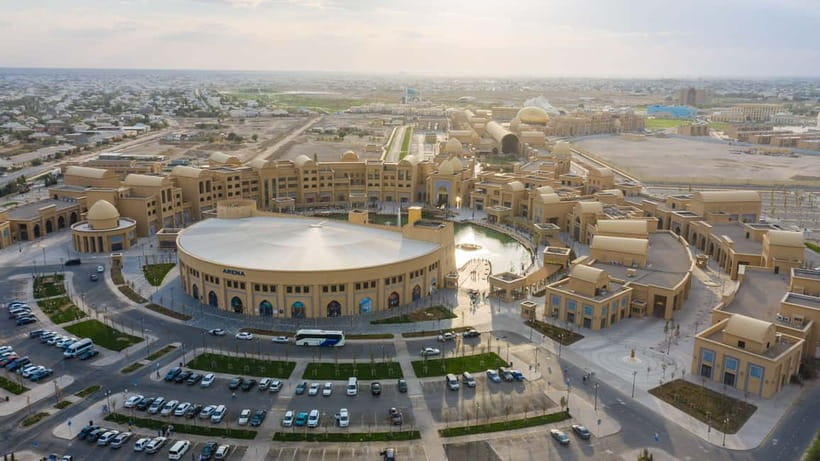
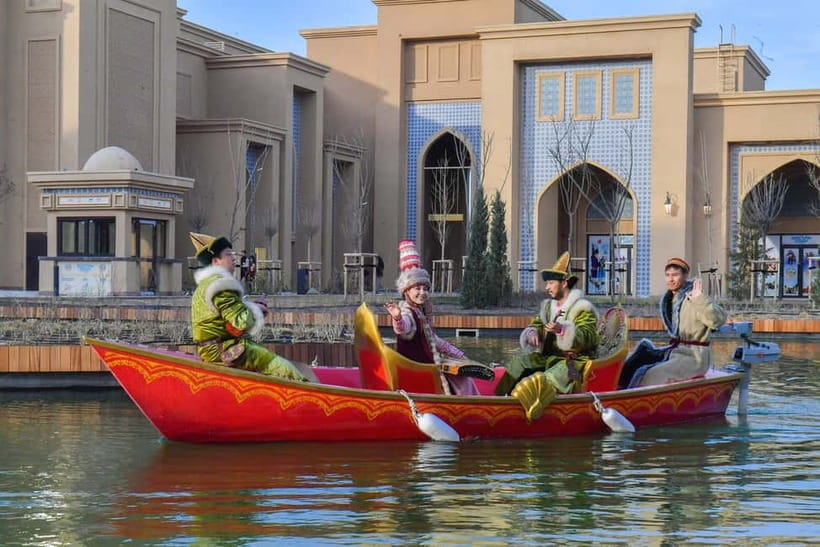
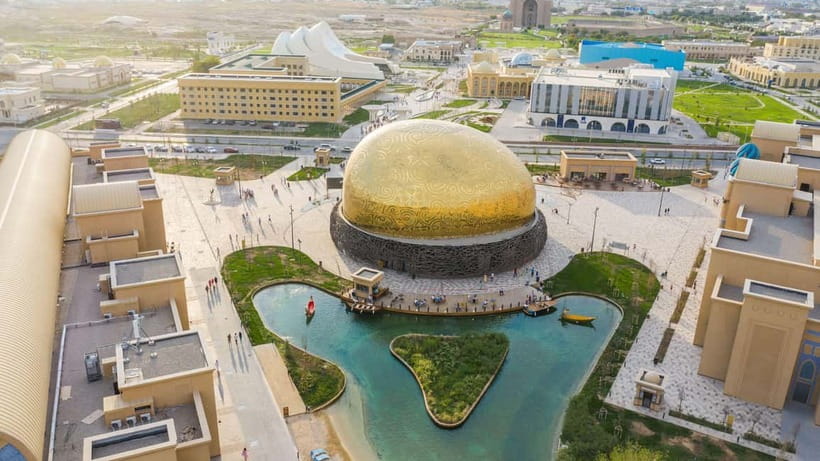
The tour then moves into Karavansaray, described as the largest tourist complex in Central Asia. This is a modern entertainment and tourism development, not an untouched medieval quarter. Its design draws on caravan and Silk Road themes, but you should approach it as a contemporary attraction inspired by the past.
That contrast is part of what makes the day unusual. In the morning, you see the remains of Otrar as an archaeological site. Later, you encounter a polished complex built to tell a more accessible story of Kazakh culture and history. Some people will enjoy the variety. Others may find the modern section less rewarding than the original monuments.
You have spare time in Turkestan for shopping and walking. This is where the private format helps again. If the bazaar interests you, ask whether the route can include it, as Daulet did for one visitor. If you prefer architecture, you can use the free time for more photographs or a slower look at the surrounding area.
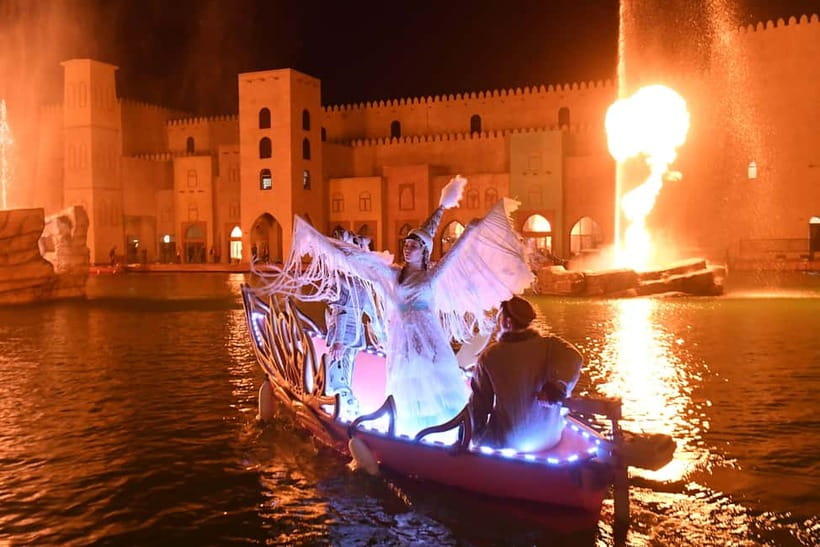
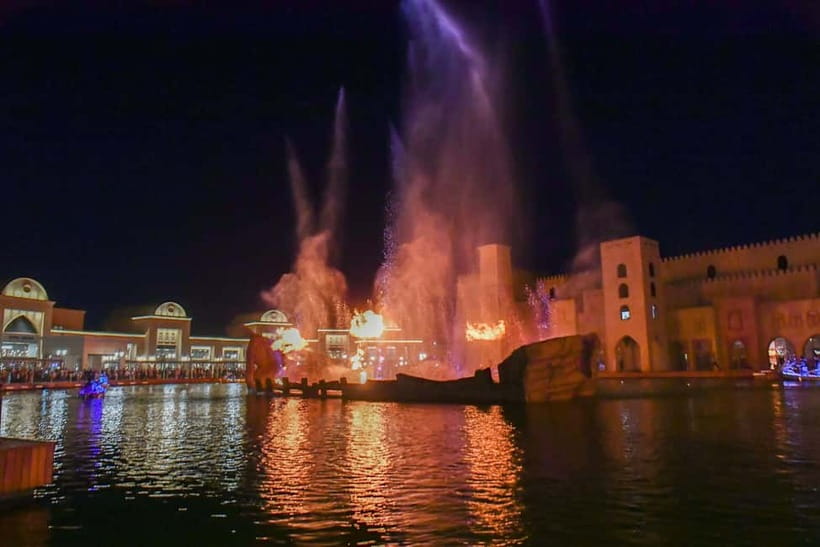
The theatrical fountain show, Kyz Zhibek and Tolegen, is another modern addition. It gives the day a scheduled performance element and may be a pleasant way to finish the Turkestan portion. The exact timing can affect how much free time you have, so ask the guide how the day is unfolding.
Optional 8D cinema and gondola rides
Two activities are available for an additional layer of entertainment: the Altyn Samruk 8D cinema and gondola rides. The 8D experience uses a mythical bird named Samruk to present Kazakhstan’s culture and sights through a simulated flight.
This is not essential to the historic core of the tour. If you are mainly visiting for Otrar, the mausoleums, and the Silk Road story, you can reasonably skip it. If you like themed attractions or are traveling with family members who want something more visual, it may add variety after several hours of monuments and explanations.
Gondola rides are also optional. The supplied details do not state their price or duration, so ask before committing. Treat both activities as add-ons rather than reasons to book the tour.
Guide quality and the private format
The guide can make or break a history-heavy day, and the feedback here is especially strong. Islam is described as courteous and professional, with useful lunch advice. Daulet is praised for making Kazakhstan’s history feel alive, driving comfortably, and adapting the route to include the Turkestan bazaar.
Those details tell you what to expect from the best version of the experience: not just a person reciting dates, but a guide who can explain the sites and respond to your interests. You should still be direct about what you want. Tell the guide if you need more time for photographs, prefer a shorter shopping stop, or want to focus on religious history.
The private group format also suits families and mixed-age parties. One account specifically notes that the guide was considerate toward an older mother. The tour is not suitable for wheelchair users, and the walking surfaces at historic sites may require steady footing, so assess your group’s needs honestly before booking.
The day ends with the drive back to Shymkent, listed at about 160 kilometers and roughly two and a half hours. You will likely be tired by then. That is normal for a route combining long transfers, outdoor ruins, religious monuments, museums, and a modern entertainment complex.
What to bring for a comfortable day
Keep your packing simple and practical:
- Comfortable walking shoes for Otrar and the historic sites
- Long pants and a long-sleeved shirt for religious locations
- A hat and sunscreen for exposed outdoor areas
- A camera for the ruins, mausoleums, and changing scenery
- Extra water if one liter is not enough for you
- A little flexibility for optional lunch, shopping, or add-on activities
Free cancellation is available up to 24 hours before departure, and you can reserve now while paying later. Those policies are useful if your Shymkent plans are still shifting, but the bigger booking decision is whether you want a long, tightly packed history day.
Should you book this Otrar and Turkestan tour?
Book it if you want the easiest way to see Otrar and Turkestan from Shymkent in one day. The combination is strong: archaeological ruins, sacred mausoleums, an underground mosque, museums, traditional crafts, and a modern Turkestan complex. Private transport and an adaptable guide add real value over trying to piece together the route yourself.
Skip it if you dislike long drives, prefer spending half a day at one monument, or want a purely archaeological experience. Karavansaray, the 8D cinema, gondolas, and the fountain show add entertainment, but they may not suit someone seeking only old buildings and ruins.
At $160 per person, I see the price as fair for a private group when the cost is shared and you value the included entry fees and guide. The strongest reason to book is not the optional entertainment. It is the chance to connect Otrar’s Silk Road past with Turkestan’s religious and architectural importance, guided by someone such as Islam or Daulet who can adjust the day to your interests.
FAQ
How long does the tour last?
The tour lasts about nine hours, beginning with pickup in Shymkent at 9:00 and ending after the return drive to the city.
What languages can the guide speak?
Live guiding is available in Russian, English, Kazakh, Turkish, French, and Spanish.
Is transportation included?
Yes. Private transportation is provided throughout the tour, including travel between Shymkent, Otrar, Turkestan, and back to Shymkent.
Are entrance fees included?
Yes. Entrance fees to the museums, mausoleums, and other sights included in the tour are covered.
What clothing should I bring?
Bring long pants and a long-sleeved shirt, along with comfortable shoes, a hat, and sunscreen. These items are especially useful for the religious sites and outdoor ruins.
Is the tour suitable for wheelchair users?
No. The tour is not suitable for wheelchair users.
Just added around Kazakhstan
- Astana Private Custom Walking Tour with A Local Guide★ 4.0 · 3 reviews
- The Old City Tour★ 5.0 · 3 reviews
- The Silk Road tour of Kazakhstan★ 5.0 · 3 reviews
- 2 Days Private Kolsai and Kaindy Tour★ 5.0 · 4 reviews
- 2 day tour to Altyn Emel Singing Dune and Aktau mountain★ 4.5 · 4 reviews
- Half Day Private Astana City Tour in Comfort★ 5.0 · 5 reviews
- Personalized guided Car Tours to Charyn Canyon & Kolsay Lake★ 5.0 · 4 reviews
- Private Big Almaty Lake Hiking Tour with alternatgive Pipeline★ 5.0 · 4 reviews
Silk Road and Turkestan Tours, compared.
Ancient petroglyphs of Tanbaly – UNESCO World Heritage
Read our review →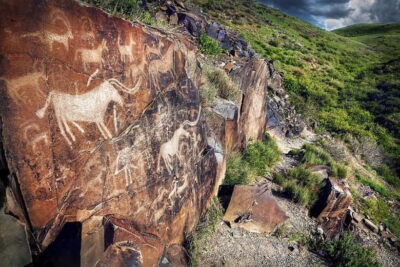
Tanbaly Gorge: Ancient Petroglyphs UNESCO Site Day Tour
Read our review →
2-Day 1-Night Ranch Stay & Tour Historic Mausoleum
Read our review →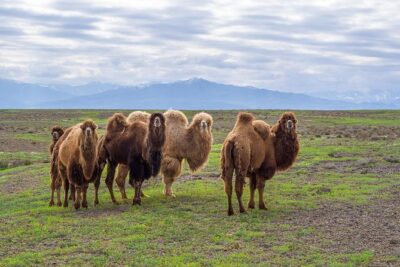
Browse the lists this tour appears in