
Review · ASTANA
Half-Day Private Tour to Alzhir Camp from Nur-Sultan
Alzhir Camp is not a light sightseeing stop. It is a memorial to more than 18,000 prisoners, many imprisoned because of their family ties, and one of the clearest places near Nur-Sultan to face the human cost of Stalinist repression. The drive across the open Kazakh steppe adds useful context before you reach the museum.
I like the private format, since you can spend time with the exhibits that matter most to you instead of following a large group. I also like the strong guides named in the tour details, including Kamilla and Timon, who explain both the camp and wider Kazakh history in English. The main drawback is the long road time for a four-hour outing, especially if you prefer lively city sightseeing.
Key points to know before you book
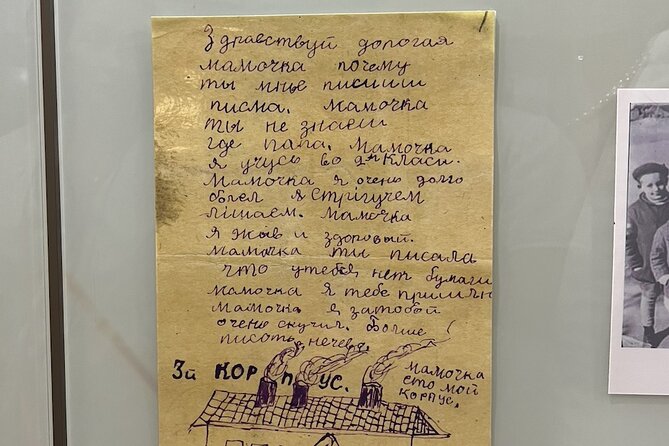
- Alzhir held more than 18,000 prisoners: The camp operated from 1938 to 1953 and was one of the Soviet Union’s largest women’s camps.
- The museum sits about 40 kilometers from Nur-Sultan: Plan for roughly one hour each way, though one recent trip took about 40 minutes.
- The memory wall lists more than 7,000 women: It gives the site a personal scale that statistics alone cannot provide.
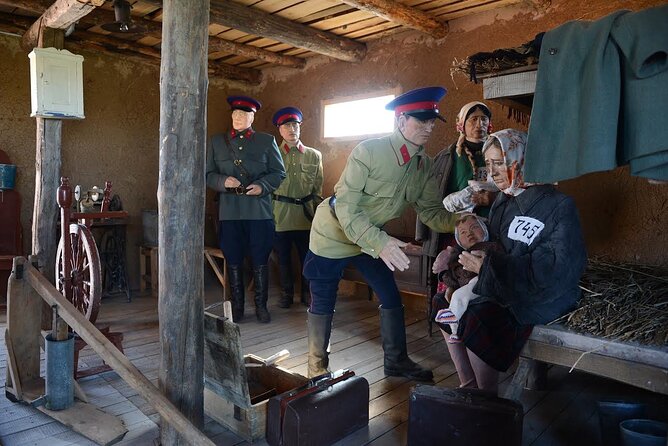
- The visit includes a prison train carriage and barracks: These physical objects help explain how prisoners arrived and lived.
- The tour is private and admission is included: Only your group participates, with an air-conditioned vehicle, bottled water, and onboard WiFi.
- The experience costs $140 per person: Its value is strongest for visitors who want a guided historical visit rather than a simple transfer to a museum.
Why Alzhir matters outside the city
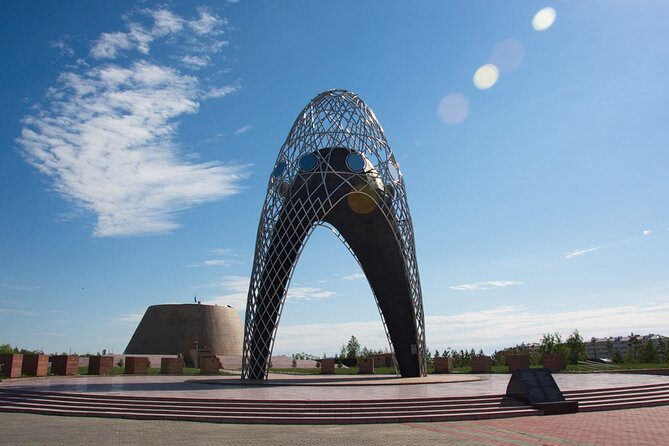
Alzhir is the informal name formed from the Russian abbreviation for Akmola Camp for the Wives of Traitors to the Motherland. That label reveals how the Soviet system treated families: a person could be imprisoned not for a proven crime, but because of a spouse or relative accused by the state.
The camp opened in early 1938 and operated until 1953. More than 18,000 people were imprisoned there according to incomplete records. The site is part of the wider network of Soviet political repression often called the Gulag system, but Alzhir has a particular focus because it was the largest women’s camp in the Soviet Union.
I find the setting important. You leave Nur-Sultan’s modern streets and head into the broad Kazakh steppe, where the space feels stark and exposed. The road is not just a transfer between attractions. It helps you understand the isolation of a camp placed far from the capital.
This is a serious museum visit, not a themed attraction. You should expect a quiet, sometimes painful account of imprisonment, separation, forced labor, and state control. The subject may be difficult, but the site gives needed attention to people whose stories were suppressed for decades.
More Soviet-era history tours around Astana
- Astana: Back to USSR – Gulag Museum with Certified Guide
★ 4.9 · 32 reviews - Astana: KarLag and Karaganda – Private USSR history tour
★ 5.0 · 21 reviews - Astana: Back to USSR Gulag Museum with Certified Guide
★ 5.0 · 14 reviews
The drive from Nur-Sultan to Malinovka
The tour lasts about four hours, including the journey to and from Alzhir. The stated travel time is approximately one hour each way, while one recent outing reached the camp in about 40 minutes. Your actual timing can depend on road conditions and the day’s schedule.
Private transport makes this trip much easier than arranging it independently. You are picked up, ride in an air-conditioned vehicle, and return to your hotel after the visit. Bottled water and WiFi are included, small comforts that matter on a road-based outing.
The road takes you through open steppe scenery. Do not expect a constant stream of landmarks. The appeal is the wide horizon and the contrast between the capital and the remote setting of the former camp.
You also pass through the village of Malinovka. Stops can be arranged by request, but the tour information does not promise a fixed village visit or a set list of stops. If Malinovka matters to you, ask about it before departure rather than assuming it is part of the standard timing.
A private vehicle also gives you room to ask questions as the road unfolds. An English-speaking guide can explain the camp’s place in Kazakhstan’s past, which makes the drive more useful than a silent transfer.
Entering the Alzhir memorial museum
The central visit takes about two hours and includes admission. The museum and memorial complex occupy the former camp site, bringing together indoor displays, outdoor exhibits, and reconstructed or preserved elements connected with prison life.
The museum building provides the main historical framework. This is where a guide can help you sort through the dates, political context, and scale of the repression. Without that explanation, a short museum visit could feel like a series of grim objects without a clear story.
The guides named in the tour information include Kamilla and Timon. Kamilla is described as explaining both the camp and Kazakhstan more broadly, while Timon is noted for presenting the site clearly and helping visitors understand the film shown at Alzhir.
That film is worth including in your visit. It adds a structured account of the camp and can make the displays easier to follow. Ask your guide to explain anything that feels unclear, especially if you are unfamiliar with Soviet political terms or the system of family-based punishment.
The museum works best when you take time with the explanations. A rushed walk through the rooms would miss much of the meaning. Since this is a private tour, you can usually focus on questions that fit your interests, though the exact pacing depends on your guide and the museum schedule.
The prison train carriage and the barracks
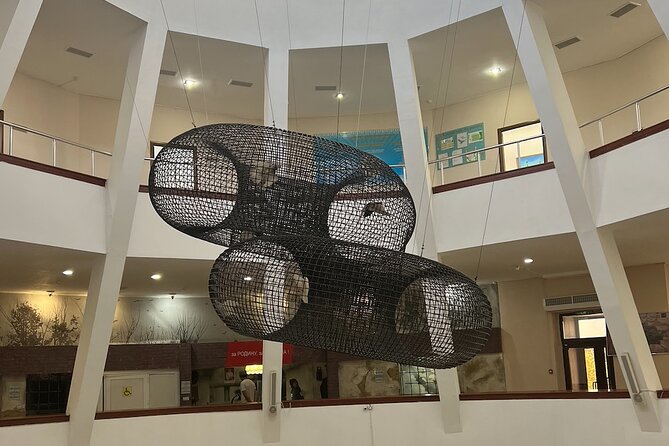
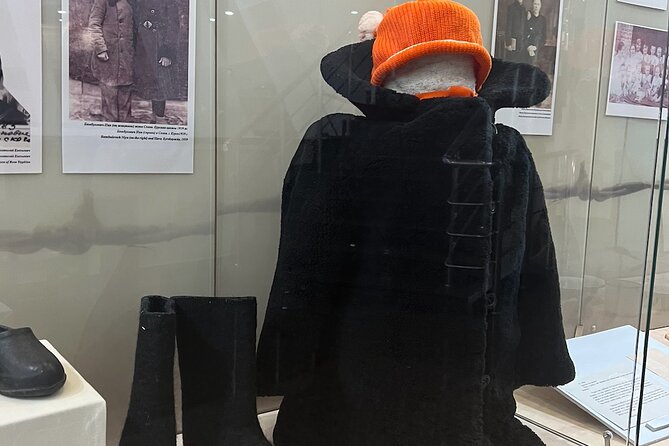
One of the most effective exhibits is a train carriage from the Stalin period, used to transport prisoners. It gives a physical sense of the journey into detention. Written descriptions can tell you that people were transported by rail, but seeing the carriage makes that process more concrete.
The barracks show where women prisoners lived. This is an important part of the visit because it shifts the story from official policy to daily existence. You can better understand that imprisonment was not only a legal category. It shaped sleeping arrangements, movement, privacy, work, and contact with family.
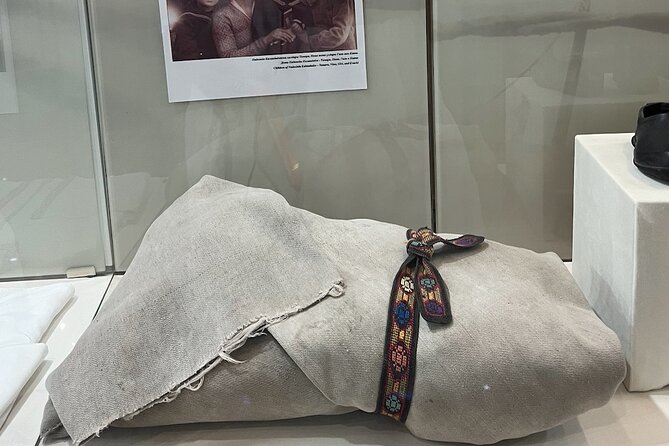
The courtyard contains other exhibits as well. The details provided do not list each object, so you should allow your guide to set the order and explain what is on display during your visit.
Expect the site to feel more effective in person than in photographs. The train carriage, barracks, and outdoor elements give the memorial a physical scale. They also prevent the history from becoming only dates and numbers.
Still, this is not a large attraction with a full day of activities. About two hours is a sensible amount of time for the museum complex. If you want a relaxed visit with time for questions, the four-hour schedule leaves little room for extra sightseeing beyond the requested Malinovka stops.
A few more trips worth a look around Astana
- Private Half-Day City Tour of Astana in Comfort
★ 5.0 · 46 reviews - Half-Day Tour ( 4 hours)
★ 5.0 · 25 reviews - Big Almaty Lake – azure eye of Alatau (+ Ayu gorge) half-day tour
★ 5.0 · 39 reviews
Reading the wall of memory
The wall of memory carries the names of more than 7,000 women who spent time at Alzhir. This is one of the most affecting parts of the complex because it replaces an enormous statistic with individual identities.
You may not be able to read every name during a short visit, but the wall’s scale matters. It shows that the camp was not an isolated incident involving a small group. Thousands of women passed through the system, and each name represents a family interrupted by political repression.
This is also where a guide adds real value. The wall cannot explain every story on its own. A guide can place the names within the history of the camp and Kazakhstan, helping you understand why the memorial was created and what it seeks to preserve.
Take your time here. The stop does not require physical effort, but it does require attention. Alzhir is best approached as a place of remembrance, not as another quick photo stop between city attractions.
What the private tour format adds
The private setup means only your group participates. That gives you more control than a standard group outing. You can ask for clarification, spend longer at the train carriage, or move on when you have absorbed enough of a difficult display.
An English-speaking guide is especially important at Alzhir. The subject involves Soviet institutions, political labels, and local history that may not be obvious from displays alone. Kamilla and Timon are the named guides connected with this experience, and the available descriptions emphasize clear historical explanations.
The private format can also suit different interests. A history-focused visitor may want more detail about the camp system. Another person may care more about the personal stories and memorial work. A family or small group can discuss the visit at its own pace, though the serious content may not suit young children.
There is no promised lunch, so plan around the four-hour schedule. Bottled water is included, but food is not. Since the outing is short and mainly devoted to the road and museum, you may prefer to eat before or after the tour rather than build a meal stop into the day.
Is $140 per person good value?
At $140 per person, this is not a budget museum transfer. The price needs to be judged against what is included: private transportation, an air-conditioned vehicle, hotel pickup and return, admission, bottled water, WiFi, and a guide for your group.
For one person, the cost may feel high for a four-hour activity. The value improves when two or more people share the private vehicle, particularly because group discounts are available. Ask for the current group rate before booking, since the final price can depend on the size of your party.
I would pay more attention to the quality of the guide than to the comfort extras. WiFi and water are useful, but the main reason to book is the interpretation of Alzhir. A strong English-speaking guide can turn a remote museum into a clear and memorable history lesson.
The tour is also valuable if you have limited time in Nur-Sultan. You can see an important memorial outside the city without arranging separate transport, finding admission details, or managing the return journey yourself.
The price is less convincing if you are mainly looking for scenery or casual sightseeing. The steppe drive is interesting, but the destination is a solemn historical site. You are paying for access, transport, and explanation, not entertainment.
Who should book this Alzhir visit?
I would recommend it to you if you want to understand Kazakhstan beyond its modern capital. It is particularly useful for people interested in Soviet history, political repression, memorial museums, and the way national history is presented at former prison sites.
It also suits visitors who prefer a private guide. You can ask direct questions and avoid the fixed pace of a large group. The tour is suitable for most participants, and service animals are allowed.
You should think twice if you want a cheerful half-day excursion. Alzhir deals with imprisonment and loss, and the film and exhibits can be sobering. That seriousness is the point, but it should match your mood and interests.
The outing may also be less suitable if you have only a short stay and want to focus on Nur-Sultan’s city sights. With roughly two hours on the road, the tour uses a substantial part of your day. For a visitor with several days in the city, that trade is easier to accept.
Practical details before you reserve
Pickup is offered, and the tour ends with a transfer back to your hotel. The experience uses a mobile ticket, which keeps the arrival process simple.
Confirmation is normally received at booking. If you book within seven days of the tour, confirmation may arrive within 48 hours and remains subject to availability.
The activity requires good weather. If poor conditions lead to cancellation, you can choose another date or receive a full refund. You can cancel without charge up to 24 hours before the start time. Cancellations or changes made inside that 24-hour period are not accepted for a refund.
Most people can participate, and service animals are permitted. Since the tour includes walking around the museum and courtyard, wear practical shoes and be ready for an outdoor visit, though the available information does not specify exact accessibility arrangements.
Should you book the Alzhir Camp tour?
Book this tour if you want a serious, well-explained look at Kazakhstan’s Soviet past and prefer private transport from Nur-Sultan. The prison train carriage, barracks, film, and wall of more than 7,000 names give the visit a clear human focus.
The best reason to choose it is the guide. With an English-speaking guide such as Kamilla or Timon, you get context that the displays alone may not provide. The main caution is the time and price: four hours and $140 per person is a fair deal for a private, guided outing, but not the cheapest way to fill a morning.
If Alzhir fits your interests, I would make room for it. Just go prepared for a quiet memorial visit rather than a light excursion, and ask about group discounts if you are not traveling alone.
FAQ
How long does the Alzhir tour take?
The tour lasts approximately four hours. Travel to Alzhir takes about one hour each way according to the stated schedule, and the museum visit lasts about two hours.
How far is Alzhir from Nur-Sultan?
The memorial complex is located about 40 kilometers west of Nur-Sultan.
Is hotel pickup included?
Yes. Pickup is offered, and the tour includes a transfer back to your hotel.
Is admission to the Alzhir museum included?
Yes. The admission ticket is included in the tour price.
Is the tour private?
Yes. Only your group participates in the activity.
What is included in the tour price?
The price includes private transportation, an air-conditioned vehicle, WiFi on board, bottled water, admission, and all listed fees and taxes.
Is lunch included?
No. Lunch is not included.
Can I cancel the tour for a full refund?
Yes, if you cancel at least 24 hours before the experience starts. Cancellations made less than 24 hours before the start time are not refunded.
What happens if bad weather cancels the tour?
If the experience is canceled because of poor weather, you can choose a different date or receive a full refund.
Just added around Astana
- Astana Private Custom Walking Tour with A Local Guide★ 4.0 · 3 reviews
- The Old City Tour★ 5.0 · 3 reviews
- Half Day Private Astana City Tour in Comfort★ 5.0 · 5 reviews
- Private Astana City tour: Gude & Food & Winetasting★ 5.0 · 4 reviews
- Astana: Old City Tour, Imperialistic and Soviet Architecture★ 5.0 · 4 reviews
- Astana: 2-Day 1-Night Ranch Stay & Tour Historic Mausoleum★ 3.9 · 3 reviews
- Astana: Back to USSR – Gulag Museum with Certified Guide★ 4.9 · 32 reviews
- Private Transfer from Nursultan Nazarbayev (NQZ) Airport to Astana★ 5.0 · 6 reviews
Soviet History Tours, compared.
Back to USSR – Gulag Museum with Certified Guide
Read our review →
KarLag and Karaganda – Private USSR history tour
Read our review →
Old City Tour, Imperialistic and Soviet Architecture
Read our review →Browse the lists this tour appears in