
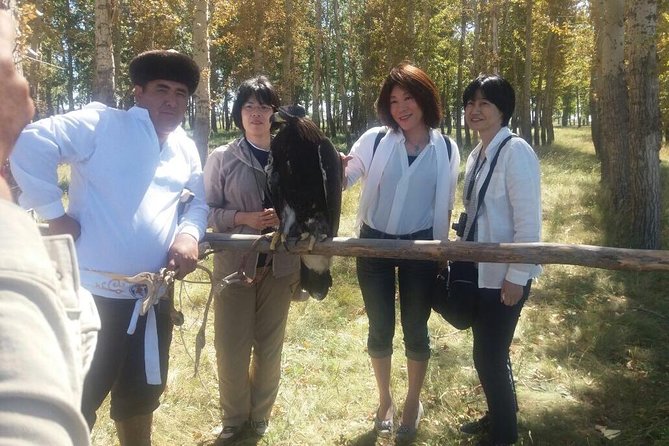
Review · ASTANA
Trip to Kazakh family of Eagle hunters in Astana (6 hours)
A golden eagle, a steaming bowl of mutton broth, and a large Kazakh family gathered inside a yurt give this six-hour outing its character. You meet a kusbegi, an eagle hunter preserving an old nomadic skill, then share food and customs that are hard to find in modern Astana.
I like two things in particular: the cooking session makes you part of the visit, and the private format lets guide Yerlan shape the day around your group. The homemade lunch, especially beshbarmak and shorpo, adds real weight to the cultural lesson.
One point needs care: the Berkut presentation may not always be a live outdoor show. One account describes the eagle display as being shown on television or YouTube, so ask Turan Asia to confirm the format before booking. The $290 price is also high unless you value a private, personal visit.
Key points to know before booking
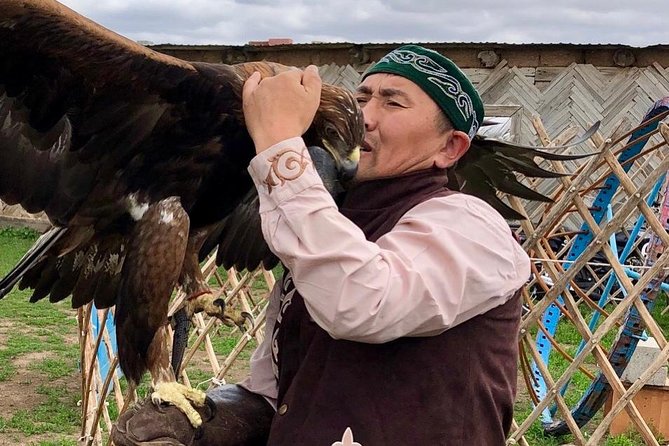
- A real family setting: Meet women preparing baursak and kurt inside a traditional yurt.
- Kazakh food is part of the activity: Make pastries, sample salty cottage-cheese snacks, and eat beshbarmak with horse meat, beef, and onions.
- The eagle tradition is the centerpiece: Learn from a kusbegi and see golden eagles connected to the Berkut tradition.
- Guide Yerlan adds context: He can explain Kazakhstan and help with special food requests.
- You get hands-on activities: Try archery, and the program also includes horseback riding.
- Private does not mean cheap: At $290 per person, the value comes from the family access and personal attention.
Meeting a Kazakh eagle-hunting family near Astana
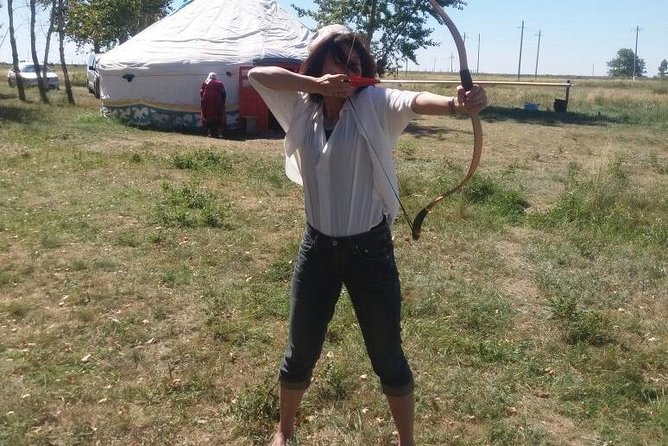
This is not a city sightseeing tour with a quick stop at a cultural center. The setting is a traditional Kazakh family home, with a yurt as the main stage for the visit. That shift matters. Instead of only looking at objects behind glass, you join a household while food is being prepared and music is played.
The host family represents a way of life you will rarely encounter in a large city. Astana, also listed as Nur-Sultan in the tour details, is Kazakhstan’s modern capital, but this visit turns your attention toward older nomadic customs and family hospitality.
The private format is useful here. You are not folded into a large bus group, so the family can spend more time showing your group how things work. Guide Yerlan can also help bridge language gaps and explain the meaning behind the customs.
You should think of this as a cultural home visit with activities, not a polished theme-park performance. That is its strength, but it also means the pace and presentation may feel more informal than a museum program.
More Kazakh culture and ethno-village days around Astana
- Private Yurt Tour with Horses: Immerse into Kazakh Culture
★ 5.0 · 16 reviews - Experience the Nomadic Lifestyle at ‘The Huns’ Ethno-village
★ 4.5 · 25 reviews - Discover Nomadic Lifestyle in ‘The Huns’ Ethno-village
★ 5.0 · 25 reviews
Inside the yurt: baursak, kurt, and a useful first lesson
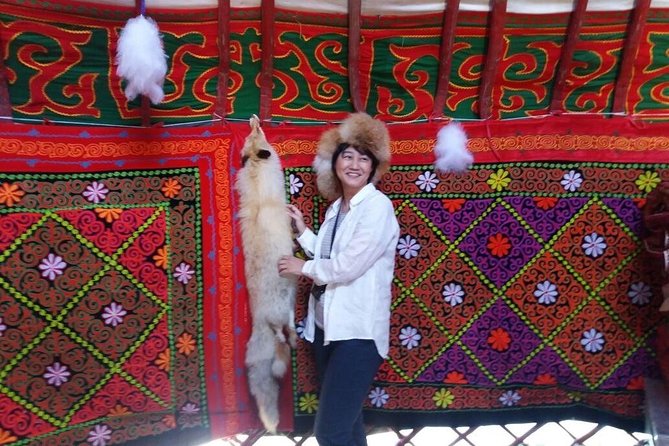
On entering the yurt, you see women preparing food. One makes baursak, a round, fluffy fried pastry that is common in Kazakh cooking. Another rolls kurt, a salty snack made from cottage cheese.
You can join the cooking session rather than simply watch. This is one of the best parts of the outing because the food gives you something practical to do while introducing two familiar Kazakh foods. Do not expect a formal cooking school with measured recipes and printed instructions. The appeal is closer to learning by watching and trying.
Baursak is the easier activity for many people to understand at once. It is warm, soft, and suited to sharing. Kurt is more of an acquired taste, with a firm texture and strong saltiness. Trying both helps you see how Kazakh food reflects pastoral life and the need for foods that can be stored or carried.
This is also a good time to ask questions. If you have dietary needs, tell Yerlan before the meal. He has helped arrange a non-meat dish for vegetarians, but that request should be made in advance rather than assumed to be available on the day.
Beshbarmak lunch with shorpo and horse meat
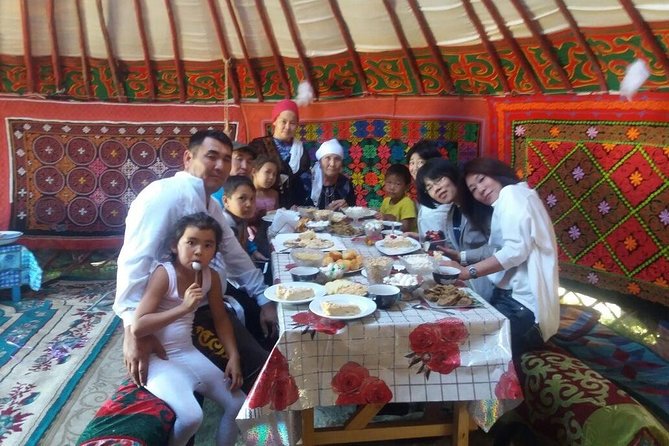
After the cooking session, the family gathers for a homemade lunch inside the yurt. The central dish is beshbarmak, a classic Kazakh meal made with square pieces of boiled dough, meat, and onions. The name means five fingers, a reference to the tradition of eating it without cutlery.
The dish is described as containing horse meat and beef. You can try eating it with your hands, as the custom suggests, though you should feel free to use utensils if that is more comfortable. The meal is meant to be social, and the family setting makes the food more meaningful than a standard restaurant order.
Before the main course, you drink shorpo, a mutton broth served in a bowl called a kese. It is simple, warm, and savory. For many people, this first bowl sets up the main dish better than a pile of unfamiliar ingredients would.
If you do not eat meat, this lunch needs planning. The regular meal is heavily meat based, and a vegetarian option has been arranged for at least one private group in the past. Ask for it when you book or as soon as possible afterward.
The lunch is one of the strongest reasons to consider the tour. You are not just tasting a national dish. You are learning how it is served, why it is eaten with the hands, and how the meal fits into family life.
Berkut traditions and the golden eagles
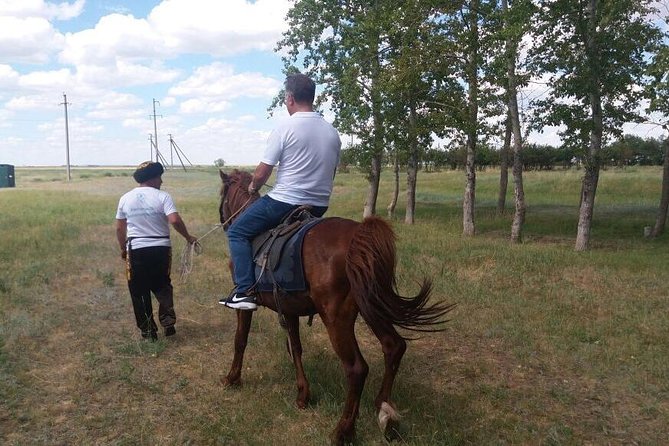
The eagle-hunting section introduces the Berkut tradition, in which trained golden eagles are used by eagle hunters. The family’s kusbegi helps preserve this skill, giving you a link to a practice associated with Kazakhstan’s nomadic past.
The golden eagle display is also presented as a way to learn about endangered birds. That gives the segment more value than a simple photo opportunity. You can ask about training, care, and the relationship between hunter and bird, though the supplied schedule does not promise a long technical demonstration.
There is an important practical wrinkle. The program description calls for a Berkut show, but one account says the show was presented on television or YouTube. This may reflect a filmed portion, a change in scheduling, or a misunderstanding, but you should not assume that every booking includes a full live flight demonstration.
Ask Turan Asia two direct questions before you pay: Is the eagle display live on the day of the visit, and how much time is spent with the birds? The answer will help you judge the $290 cost. If a live demonstration is central to your plans, get that point clear in writing.
Even with that caution, the subject is unusual. Eagle hunting is not the kind of tradition you usually encounter during a short capital-city visit, and the family connection gives the lesson a personal setting.
More Tours in Kazakhstan
- Astana City Tour: Private Full Day with Lunch and Comfort Pickup
★ 5.0 · 98 reviews - Astana City Tour: Explore Night City with a Certified Guide
★ 5.0 · 90 reviews - Astana: Burabay Oasis Private Tour+ Lunch+ Pickup+ Bonus Activity
★ 5.0 · 75 reviews - Astana: Burabay National Park Tour with Lunch and Pickup
★ 5.0 · 64 reviews
Archery, horseback riding, and dombra music
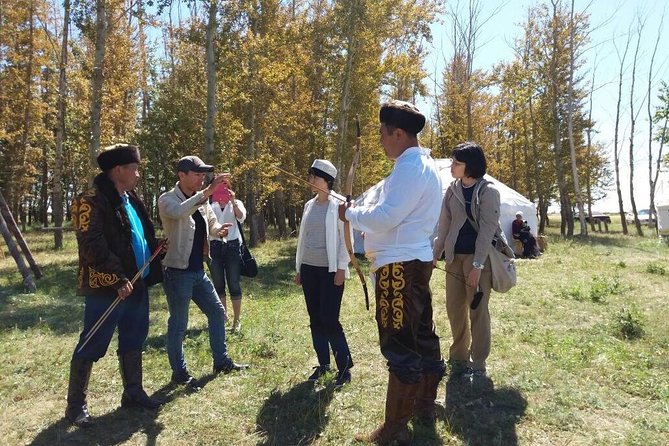
After lunch, the head of the household invites you to try Kazakh archery. If you have never handled a bow, he teaches you the basics. This should appeal to families and small groups because it turns a historical subject into a simple hands-on activity.
Do not expect a competitive archery course or a full afternoon of target practice. The available details describe an introduction led by the host, so the value is in trying the skill and hearing how it fits into Kazakh traditions.
The program also includes horseback riding. The information does not specify how long you ride, the type of horses, or the level of riding required. If horseback riding is important to you, ask about those details before booking. Most people can participate in the activity overall, but riding comfort and experience can vary.
Dombra music adds a quieter finish to the visit. The dombra is a central Kazakh instrument, and hearing it played inside the family setting gives you a better sense of its place than seeing its name on a museum label. Music, food, birds, and archery together make the afternoon feel varied rather than repetitive.
What the private format is really worth
The listed price is $290 per person. That is a serious amount for a six-hour outing, especially if you are comparing it with a standard city tour or a group day trip.
The value comes from the combination of private transport pickup, a family visit, food preparation, lunch, eagle traditions, archery, music, and the chance to request adjustments through a guide. You are paying for access and attention, not simply for the number of sights visited.
A private booking is most worthwhile for a couple, family, or small group that wants to ask questions and move at its own pace. Six people can also share the setting, but the price still needs to fit everyone’s budget. Group discounts are offered, so ask how the rate changes for your party before assuming the per-person price is fixed.
I would not choose this tour if your main goal is to cover many Astana landmarks. You spend the day with one family, and that means depth instead of a long list of stops. I would also hesitate if you want a guaranteed live eagle flight show and no uncertainty around the format.
The tour is booked, on average, 61 days ahead. That suggests you should not leave it until the last minute if the date matters, even though the activity has free cancellation up to 24 hours before the start time.
Who will enjoy this Kazakh culture visit
I would recommend it to you if you enjoy food, family stories, traditional music, and practical activities more than polished sightseeing. It is especially suited to visitors who want a personal introduction to Kazakh life and are willing to eat unfamiliar dishes or try a custom in the family’s own way.
Families can make good use of the archery and cooking portions. Couples may appreciate the private setting and the meal. People with a strong interest in birds or working animals should book only after confirming what the Berkut display involves.
Vegetarians can join, but should arrange a non-meat dish ahead of time. Service animals are allowed, and most people can take part. The supplied information does not give details on wheelchair access, so ask the provider directly if that affects your plans.
The outing is also a good choice for a second or third day in Astana. After seeing the capital’s modern side, you get a look at traditions that do not fit neatly into a city itinerary.
Practical details that matter on the day
Pickup is offered, and the activity begins and ends at the meeting point in Astana. The full program lasts about six hours, though it is also described as a one-day activity. Treat six hours as the useful planning figure and confirm the exact pickup time after booking.
Wear clothes that allow you to sit comfortably in a yurt, take part in cooking, and try archery or riding. The food is central, so arrive ready to eat and tell the operator about dietary restrictions early.
The activity is private, so only your group participates. Confirmation arrives when you book. You can cancel for a full refund up to 24 hours before the local start time. Inside that window, changes and refunds are not accepted.
Should you book this Astana family visit?
Book it if you want a personal cultural encounter, a substantial Kazakh meal, and several hands-on activities in one half-day. The warm family welcome, cooking, dombra music, archery, and unusual eagle-hunting tradition give the visit more substance than a quick photo stop.
Think twice if $290 feels high for six hours, if you dislike meat-heavy food, or if a live Berkut show is essential and cannot be confirmed. Ask about the eagle presentation, horseback riding time, and vegetarian food before paying.
For the right visitor, this is a memorable way to see Kazakhstan beyond Astana’s modern center. For the wrong one, it may feel expensive and too informal. Know which kind of day you want, then make the call.
FAQ
Where does the activity start and end?
The activity starts in Astana, also listed as Nur-Sultan in the tour information, and ends back at the meeting point.
How long does the tour last?
The experience lasts approximately six hours. It is also described as a one-day activity.
Is this a private tour?
Yes. Only your group participates, rather than joining a larger shared group.
What food is served?
The meal includes shorpo, a mutton broth, followed by beshbarmak with boiled dough, horse meat, beef, and onions. You can also help prepare baursak and kurt.
Can vegetarians participate?
Yes, but you should request a non-meat dish in advance. A vegetarian meal has been arranged for a private group before.
Can I cancel for a full refund?
You can cancel up to 24 hours before the local start time for a full refund. Cancellations or changes made within 24 hours are not accepted and are not refunded.
Just added around Astana
- Astana Private Custom Walking Tour with A Local Guide★ 4.0 · 3 reviews
- The Old City Tour★ 5.0 · 3 reviews
- Half Day Private Astana City Tour in Comfort★ 5.0 · 5 reviews
- Private Astana City tour: Gude & Food & Winetasting★ 5.0 · 4 reviews
- Astana: 2-Day 1-Night Ranch Stay & Tour Historic Mausoleum★ 3.9 · 3 reviews
- Astana: Old City Tour, Imperialistic and Soviet Architecture★ 5.0 · 4 reviews
- Astana: Back to USSR – Gulag Museum with Certified Guide★ 4.9 · 32 reviews
- Private Transfer from Nursultan Nazarbayev (NQZ) Airport to Astana★ 5.0 · 6 reviews
Kazakh Culture and Ethno Village Tours, compared.
Experience the Nomadic Lifestyle at ‘The Huns’ Ethno-village
Read our review →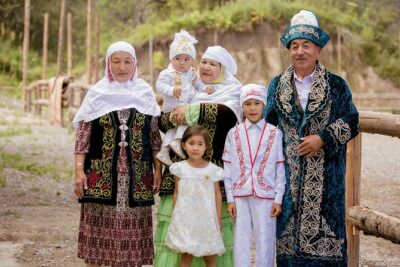
Discover Nomadic Lifestyle in ‘The Huns’ Ethno-village
Read our review →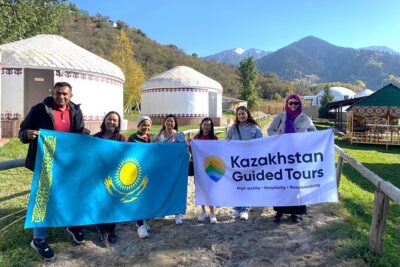
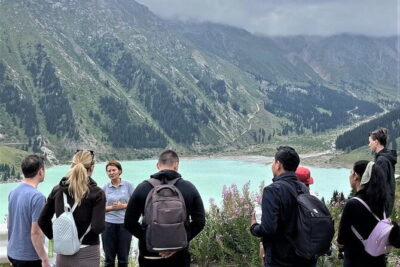
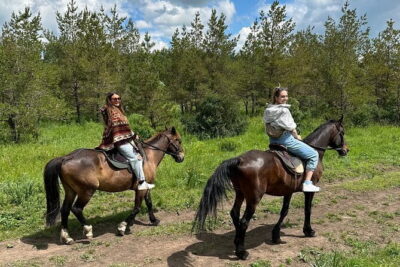
Private Yurt Tour with Horses: Immerse into Kazakh Culture
Read our review →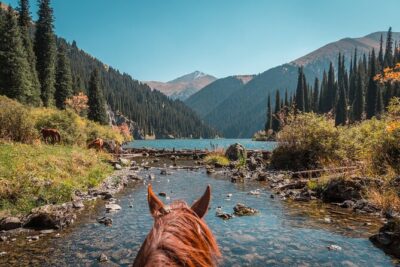
3-Day Private Horseback Riding and Hiking Tour in Kolsay
Read our review →
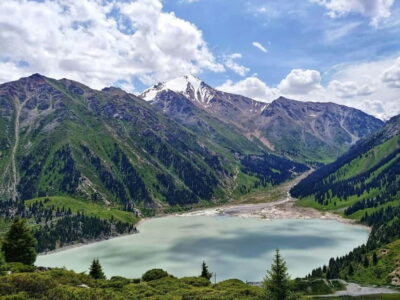
Horseback Riding & Archery in Zaili Alatau Mountains
Read our review →Browse the lists this tour appears in